
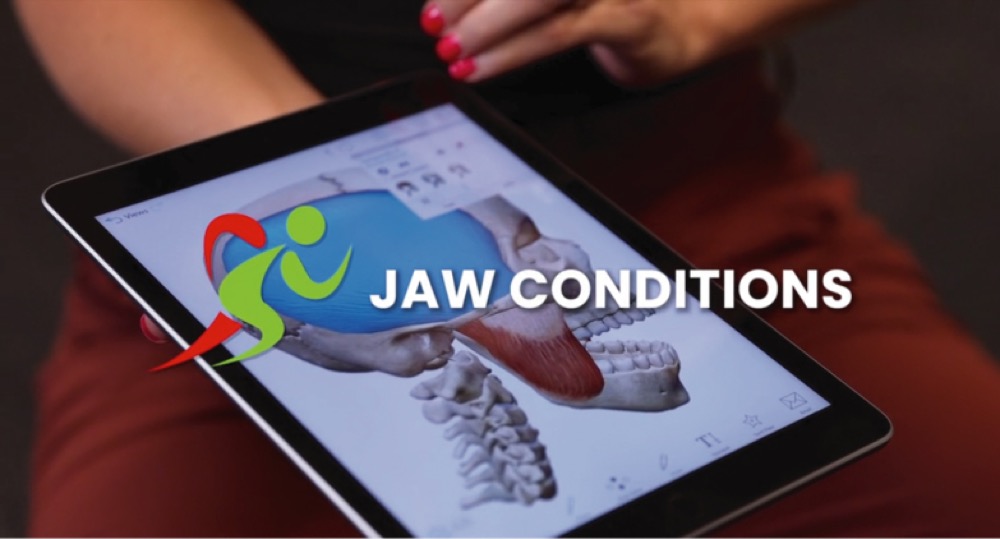
Temporomandibular dysfunction (TMD) is a common condition that affects the temporomandibular joint (TMJ), which is the joint that connects the jaw to the skull. TMD can cause a variety of symptoms such as jaw pain, headaches, and difficulty opening and closing the jaw. Traditional treatment options for TMD include medications, splints, and surgery, but manual therapy has been shown to be an effective alternative treatment option. At Cornerstone Physical Therapy in Spokane, Washington, manual therapy can be used to alleviate the symptoms of TMD and improve overall well-being.
Manual therapy is a type of physical therapy that involves the use of the therapist's hands to manipulate and mobilize the soft tissues and joints in the body. At Cornerstone Physical Therapy, manual therapy techniques such as mobilization, manipulation, and soft tissue massage can be used to help alleviate the symptoms of TMD.
Research suggests that manual therapy can help to reduce pain and improve function in the TMJ by promoting relaxation and reducing muscle tension in the jaw, neck, and shoulders. These techniques can help to improve joint mobility, reduce inflammation and improve blood flow, which can lead to a reduction in the severity and frequency of TMD symptoms.
Manual therapy can also help to improve posture and alignment, which can help to reduce the likelihood of developing TMD in the first place. A physical therapist can work with a patient to correct any postural issues that may be contributing to their TMD and teach them exercises to maintain proper alignment.
In addition, manual therapy can be used in combination with other treatments such as splints, medications and stress management strategies to provide a comprehensive approach to managing TMD.
In conclusion, manual therapy is an effective alternative treatment option for individuals suffering from TMD. At Cornerstone Physical Therapy in Spokane, Washington, manual therapy techniques such as mobilization, manipulation, and soft tissue massage can be used to alleviate the symptoms of TMD, improve function, and promote overall well-being. It is important to consult with a physical therapist to determine the most appropriate treatment plan for your specific condition.